Juvale sells the whole number you were going to buy anyway.
Parchment by the two hundred, bandages by the dozen roll, favour bags by the hundred. 128 lines across kitchen, storage, party, classroom and first aid, priced by the pack rather than the piece.
Most catalogues are organised by material or by room. This one is organised by how fast you get through it. A hundred paper bags and four paper bags are not the same product with a different label on the front; they serve different people. Only one is worth shipping.
So every card on this page leads with its count. You can see whether a line is a bulk pack or a single set before you click, and the price you compare is the price of the quantity you will use.
01
The count comes first
Listed on the card, not buried in the fourth line of a title.
02
Sized from use, not from packaging
45-piece adapters, 144-piece party sets, 12 rolls: awkward numbers that match real consumption.
03
One order instead of six
Fewer boxes, fewer deliveries, and a lower cost per piece than the small-box equivalent.
04
Plain materials where possible
Unbleached parchment, kraft paper, uncoated corrugate. Easier to recycle and cheaper to make.
01
Kitchen & Baking
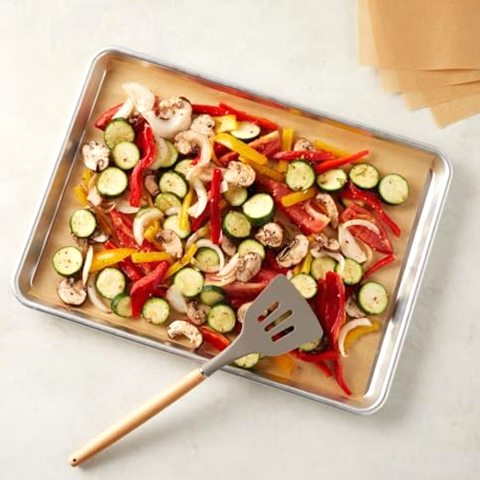
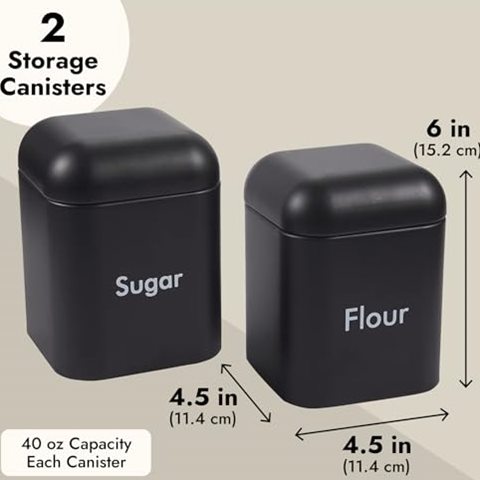
Liners, parchment, shakers and serving pieces, bought by the hundred because that is how a kitchen actually goes through them.
The most common question in our inbox, answered as a table rather than a sales page. Find the row closest to your situation.
If you are covering
Look for
A class of 25–30
Look for counts of 24 to 50. One pack covers the room with spares for the ones that vanish.
A party of 10–20 guests
Counts of 24 are the sweet spot. Nothing runs out and the leftovers keep for the next one.
A household of four
100 to 200 on consumables like parchment and liners: about a year of normal cooking.
A clinic or stable
12-roll bandage packs are roughly a month at daily use, and the colours help track which animal or limb.
Weekly online orders
50-packs of mailers and sheets. Below that you reorder monthly, above that you store cardboard for a year.
Who buys this way
Six situations where a small box is the wrong answer.
01
Classrooms
Thirty of everything, twice a year. Dry-erase spots, borders, clips and erasers get consumed at a rate that makes single-unit buying absurd.
02
Clinics and stables
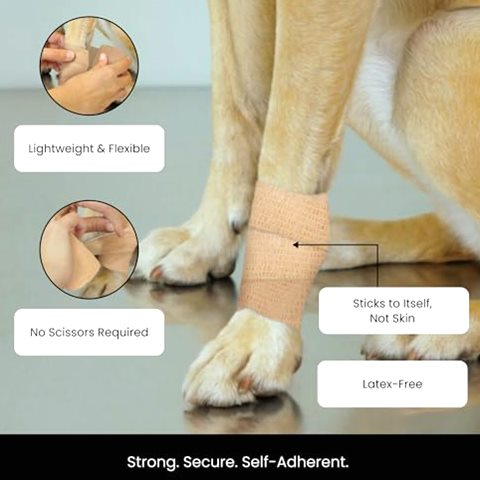
Cohesive wrap is used once and thrown away. Buying twelve rolls at a time is not stockpiling, it is a month.
03
Home kitchens
Parchment and air fryer liners are the two things people run out of mid-recipe. Two hundred sheets lasts a year and costs less than four small boxes.
04
Party hosts
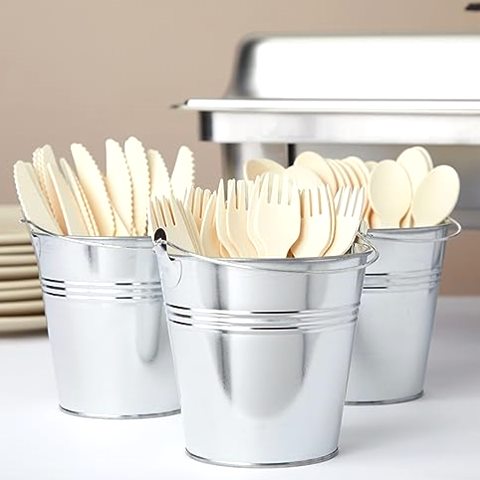
Counts are set by the guest list, not by the shelf. Twenty-four hats, a hundred favour bags, forty-eight cups.
05
Small sellers
If you post orders weekly, mailers and corrugated sheets are consumables. Fifty at a time is a normal reorder.
06
Hotels and rentals
Disposable slippers and ponchos are per-guest items. Turnover decides the pack size, and it is never four.
Background
Why Juvale counts things
Juvale started with a plain observation about how supplies get sold. A school needs thirty of something, a clinic opens a new roll every visit, a host is feeding twenty-five people. Retail shelves are stocked for a household of four, so anyone with a real quantity to cover ends up buying six small boxes at six small-box prices.
So the range is built around counts rather than units. Parchment comes in two hundred sheets, mailers in fifty, bandages in twelve rolls, favour bags in a hundred. The numbers are not round for the sake of tidiness: they come from asking what people get through between reorders.
The catalogue has grown sideways from there. Kitchen consumables led to party supplies, party supplies led to classroom kit, and a steady stream of requests from vets and physios built out the first aid line. What ties it together is not a material or a room. It is the count on the box.
Because that is the shape of the demand. A classroom gets through a hundred dry-erase dots in a term, a clinic opens a fresh bandage every visit, and a party host needs twenty-four hats rather than four. Buying the quantity you consume costs less per piece. One order, not six.
Is Juvale a manufacturer or a reseller?
We design and specify the products and have them made to our drawings, then sell them under our own name. That is why the pack counts are odd numbers like 45 or 144: they come from what customers told us they run out of, not from what a factory had in stock.
What if I do not need a hundred of something?
Plenty of lines come in smaller counts, and a good number are single sets rather than bulk packs. The pack size sits on every card on this page, so you can see the count before you click anything.
Are the disposable items recyclable?
It depends on the item and on your council. Unbleached parchment, kraft paper bags and corrugated sheets go in with paper and card in most places. Anything with a plastic film liner, and the PVC bags, generally do not. Where a product is plain paper or plain cardboard we say so in the description.
How do the cohesive bandages differ from ordinary tape?
They stick to themselves and to nothing else. No adhesive touches skin or hair. That is why vets reach for them, and why they suit anyone with fragile skin. You tear them by hand, and they hold through movement without pulling when they come off.
Do you sell to schools and businesses on account?
Orders here go through our retail partner, which handles business accounts, tax exemption and purchase orders through its own business programme. For a class set or a quarterly restock that is usually the simplest route.
The photos show white backgrounds. What does it actually look like?
Studio shots are the honest way to show a hundred identical items. Each section here also opens with a photograph of the things in use. Dimensions and counts are listed rather than implied, so nothing arrives a third of the size you pictured.
Why is the price different when I open the product?
Almost always because of where you are. The figures on this page are US listing prices in dollars. Amazon converts to local currency for visitors outside the United States at its own rate, and adds shipping or duty where they apply, so a $17 pack can land as PLN 67 or £14 without anything being wrong. The checkout figure is the one that counts.
How current are the prices here?
They are refreshed on a schedule from the retail listing, and the price at checkout is the one that counts. If you spot a gap between the two, the checkout figure is correct and ours is stale by a day or so.